
Introduction
Some stories entertain you. Some stories disturb you. And then there are stories like 13 Reasons Why—the kind that quietly settles in your mind and refuses to leave.
This isn’t just a teen drama. It’s an intense, emotional exploration of mental health, trauma, guilt, and the consequences of human actions. Across four seasons, the show takes you through heartbreak, mystery, moral dilemmas, and psychological struggles that feel uncomfortably real.
Genre, Runtime & Platform
Genre: Teen Drama | Psychological Thriller | Mystery | Social Drama
Total Seasons: 4
Episodes: 49 Episodes
Runtime: 50–60 minutes per episode
Release Period: 2017 – 2020
Platform: Netflix
Overall Overview
13 Reasons Why revolves around the life and death of Hannah Baker and the ripple effects her story creates. What begins as a tragic mystery soon expands into a layered narrative about accountability, trauma, justice, and survival.
Each season shifts tone and focus:
- Season 1 is emotional and devastating
- Season 2 explores consequences and justice
- Season 3 turns into a moral mystery
- Season 4 becomes a psychological breakdown
Together, they form a dark, complex story about how deeply human actions can affect others.
Main Plot (Detailed Across All Seasons)
Season 1 – The Tapes
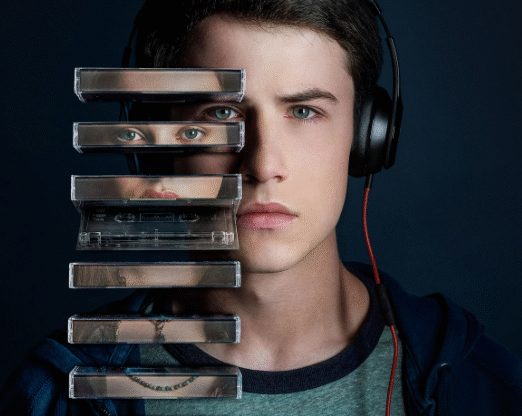
The story begins with Clay Jensen receiving cassette tapes recorded by Hannah Baker, a classmate who died by suicide. Each tape reveals one person and one reason that contributed to her decision.
As Clay listens, he uncovers:
- Rumors that destroyed Hannah’s reputation
- Betrayals from friends
- Emotional neglect from adults
- Sexual assault and trauma
The deeper Clay goes, the more he realizes how small actions created a devastating chain reaction. The season ends with the painful truth that Hannah tried to seek help—but didn’t receive it.
Season 2 – The Aftermath
Hannah’s parents file a lawsuit against the school, exposing Liberty High’s toxic culture. Through courtroom testimonies, new perspectives emerge, showing that Hannah’s story was even more complicated than the tapes revealed.
Key developments:
- Jessica confronts her trauma and begins healing
- Clay struggles with guilt and hallucinations
- Bryce Walker faces trial but receives minimal punishment
- Tyler experiences extreme trauma, leading him toward violence
The season ends with Clay stopping Tyler from committing a school shooting—marking a turning point in the narrative.
Season 3 – The Murder Mystery
The show shifts into a darker tone when Bryce Walker is found dead. The season revolves around uncovering who killed him.
Through flashbacks and interrogations:
- Bryce attempts to redeem himself
- Old wounds resurface among the group
- Every character becomes a suspect
The truth reveals that Alex killed Bryce in a moment of anger. However, the group decides to protect him by framing Monty, raising serious moral questions.
Season 4 – The Final Reckoning
The final season explores the psychological consequences of everything that has happened.
Clay begins to spiral mentally, experiencing anxiety, dissociation, and identity struggles. The group is haunted by guilt and fear of being exposed.
Major arcs include:
- Clay’s mental health breakdown and recovery
- Winston seeking justice for Monty
- Jessica’s activism and strength
- Alex dealing with guilt and self-acceptance
The series ends with graduation and emotional closure, as the characters attempt to move forward while carrying their past.
Highlights
• Unique storytelling through Hannah’s tapes
• Deep emotional and psychological impact
• Strong, flawed, and realistic characters
• Exploration of sensitive topics like mental health and trauma
• Unpredictable twists and layered narratives
• A powerful and emotional conclusion
Why You Should Watch It
This isn’t a light, casual watch—it demands your attention and your emotions.
You should watch it because:
- It shows how even small actions can deeply impact someone’s life
- It raises awareness about mental health, bullying, and trauma
- It presents morally complex characters rather than simple heroes and villains
- It stays with you long after you finish watching
Recommendations
If 13 Reasons Why pulled you into its emotional intensity, these series will give you a similar experience—but each with its own unique flavor:
Euphoria
A visually striking and emotionally raw drama that dives deep into teenage life, addiction, identity, and trauma. Like 13 Reasons Why, it doesn’t hold back—but it’s even more intense and stylistic. Expect complex characters and heavy themes.
Elite
A mix of teen drama and murder mystery. It explores class differences, secrets, and relationships in a prestigious school. If you liked the layered storytelling and suspense elements, Elite delivers twists with high drama.
Mindhunter
For a more psychological angle, this series explores criminal minds and behavioral science. While not a teen drama, it shares the same dark, thought-provoking tone and deep character study.
The End of the F***ing World
A dark coming-of-age story about two troubled teens on a chaotic journey. It mixes humor with emotional depth and explores trauma and connection in a unique way.
Riverdale
A darker twist on teen drama with mysteries, secrets, and crime. While more dramatic and exaggerated, it still offers suspense and complex relationships.
Atypical
If you want something emotional but slightly lighter, this show focuses on a teenager on the autism spectrum navigating life, relationships, and independence. It balances serious themes with warmth and growth.
Conclusion
13 Reasons Why is not perfect—and it was never meant to be. It’s messy, emotional, and sometimes overwhelming. But that’s exactly what makes it powerful.
It doesn’t give you easy answers. It challenges you, unsettles you, and makes you think.
And let’s be honest—
you don’t just watch this series… you feel it.