
Introduction
Colleen Hoover built her empire on heartbreak and romance. Then she wrote Verity, a book where the love story is the least trustworthy thing on the page. First self-published in 2018 and picked up by Grand Central Publishing in 2021, this psychological thriller became one of the most argued-over novels on BookTok, and the argument is still going. Was the chilling manuscript a confession? Or was it just a writer’s twisted exercise?
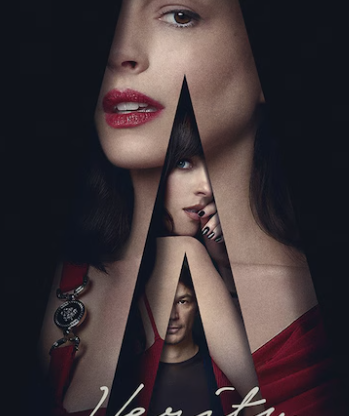
Now the question has moved to the big screen. Amazon MGM’s Verity, directed by Michael Showalter and starring Anne Hathaway, Dakota Johnson, and Josh Hartnett, opened in theaters on October 2, 2026, after being pushed back from its original May date. It topped the box office on opening weekend, even though critics were far less kind than audiences.
So how good is the book, how good is the movie, and what did the film change? Here is our full breakdown, with a clearly marked spoiler section for the differences.
Quick Facts
| Category | Book | Movie |
|---|---|---|
| Title | Verity | Verity |
| Creator | Colleen Hoover | Director Michael Showalter, screenplay by Nick Antosca |
| Released | 2018 (self-published); Grand Central Publishing edition in 2021 | October 2, 2026 (theaters) |
| Genre | Psychological thriller / romantic suspense | Erotic psychological thriller |
| Main Characters | Lowen Ashleigh, Verity Crawford, Jeremy Crawford | Dakota Johnson, Anne Hathaway, Josh Hartnett |
| Also in the Cast | N/A | Ismael Cruz Córdova, Brady Wagner, Michael Abbott Jr., plus cameos by Alex Cooper and Sean Evans |
| Studio | N/A | Amazon MGM Studios |
| Score | N/A | Volker Bertelmann |
| Content | Graphic, disturbing themes | R-rated |
What Is Verity About?
Lowen Ashleigh (Dakota Johnson in the film) is a struggling writer with bills piling up, a respectable but unprofitable career, and a very bad year behind her. Then she gets an offer that sounds like a gift: finish the remaining novels in a hugely successful series written by Verity Crawford (Anne Hathaway), who can no longer write after a mysterious accident.
To do the job, Lowen moves into the Crawford family home to go through Verity’s notes. The house is remote, the husband, Jeremy (Josh Hartnett), is attentive and attractive, and Verity herself is upstairs, unable to speak or move. Then Lowen finds a hidden autobiography that Verity never meant anyone to read, and what it says about the family, the children, and Verity herself could change everything.
The Book: Why It Hit So Hard
The novel is a sharp turn from Hoover’s usual romance-centered stories. Instead of a love triangle, it offers obsession, deception, grief, and an unreliable narrator in a house where nobody is quite what they seem. The pages move fast, the chapters end on hooks, and the ambiguity is deliberate: the story gives you two competing versions of the truth and refuses to say which is right.
- What works: The pacing, the claustrophobic setting, and the manuscript chapters that read like a confession. You never quite know whom to trust, which is why readers still argue about it years later.
- What divides readers: The graphic content and morally ambiguous characters make this a book that is intense by design. Some readers find it gripping, others find it too dark, and some feel the romance undercuts the horror.
- The big question: The ending is the heart of the debate. It leaves the reader to decide whether the manuscript or a later letter tells the truth. Hoover has said she believes the manuscript was truthful.
The Movie: How It Plays
Showalter, who is better known for The Big Sick and The Idea of You than for thrillers, aims here for a glossy, pulpy, Hitchcock-and-De Palma kind of suspense. The result is slick and sexy, and also divisive.
- The look: The remote glass house at the center of the story gets praise as a character in its own right, with mirrors, glass, and architecture that work as part of the mystery.
- The performances: Reviewers describe Hathaway as playing Verity at a heightened, “camp light” pitch, while Hartnett’s easygoing energy suits the role of the husband. Johnson, who also served as an executive producer, plays Lowen with her usual cool detachment, which some critics found suits the part and others found too flat. Hathaway is also a producer on the film.
- The tone: The film leans into the erotic side of the story, with a fantasy sequence that blurs the three leads together, which fans of the book will notice.
- The reception: The critical response is harsh. Variety called it a listless adaptation that is ill-suited to its director, and /Film called it barely a movie. Time Out was warmer, with 3 out of 5 stars and a recommendation for fans of steamy thrillers, and TheWrap said it is silly and overstuffed but a good one to watch with friends. Rotten Tomatoes shows about 33 to 34 percent from critics and about 69 to 70 percent from audiences, and CinemaScore was a C+.
- The box office: It opened at No. 1 with about $32.6 million domestically, ahead of Tom Cruise’s Digger, and had grossed roughly $54 million domestically and $114 million worldwide after its second weekend. Industry analysts called the opening well above average for an original psychological thriller, even with the mixed reviews, though the film fell sharply in its second weekend.
Book vs Movie: The Main Differences
Hathaway has said the team approached the adaptation by asking what a big fan of the book would insist be kept. The result is a film that stays close to the book’s themes and its central mystery, while changing details, characters, and a few key moments.
Spoiler-free differences
- A smaller family: The movie trims the number of Crawford children from the book.
- Less of Lowen’s inner life: The book’s version of Lowen has a stranger, more unsettling psychological backstory, including sleepwalking, that the film mostly drops.
- A bigger celebrity for Verity: The film adds scenes that establish how famous Verity is, including appearances on the real-life shows Call Her Daddy and Hot Ones, which do not exist in the book.
- A different romance: The film makes the attraction between Lowen and Jeremy more openly romantic earlier on, and leans into Lowen’s fixation on Verity herself.
- Same core question: Both keep the central ambiguity about whether Verity’s manuscript told the truth.
⚠️ Spoiler warning: The next section discusses plot points and endings from both the book and the film. Skip to “Which Should You Pick?” if you have not read or seen them.
Spoiler differences
- The children: In the book, Verity and Jeremy have twin daughters, Chastin and Harper, and a younger son, Crew. The movie removes Chastin and makes Harper and Crew twins. It also leaves out the book’s detail that Chastin died shortly before Harper.
- The coat hanger scene: The film includes the moment when Verity tries to harm her newborn daughter, but cuts the book’s most disturbing detail, in which she tried to end her pregnancy with a wire coat hanger. In the book that detail is tied to a scar on one of the daughters, which is a key piece of evidence in the fan debate over whether the manuscript was real.
- Sleepwalking: The book’s Lowen sleepwalks, even waking up in Verity’s bed, and asks Jeremy to put a lock on her door. The movie cuts it, although Johnson has said scenes were filmed, and Hathaway hopes a deleted scene may appear. Johnson explained that sleepwalking is hard to make interesting on screen because it is silent.
- The first dinner: In the book, Lowen has dinner with Jeremy and his son at a diner, a non-romantic outing. The film changes it to a fancy birthday dinner with just the two of them, which makes his intentions clear.
- The pen name: The book has Jeremy helping Lowen use the pen name Laura Chase to keep her out of the spotlight, which the film removes.
- Verity’s death and the aftermath: In both versions, Jeremy suffocates Verity after becoming convinced she deliberately drowned their daughter. The book then jumps ahead several months to Jeremy and Lowen’s life together. The movie instead shows Jeremy dumping Verity’s body in the lake, echoing how Harper died, followed by a tearful scene with the police.
- The final twist: Both versions keep the manuscript-versus-letter ambiguity at the end. Director Showalter has said they tried several different endings before settling on keeping the ambiguity. He sees three versions of the story, one for each of the main characters, and says he did not want to take sides.
- The author’s view: Colleen Hoover has said that seeing the film made her feel sorry for the character she had thought of as more evil in the book, so even she came away seeing the story a little differently.
Which Should You Pick?
- Read the book first if you like getting inside a narrator’s head, trusting no one, and spending time with the manuscript chapters. It is the more disturbing and more detailed version.
- Watch the movie first if you want a fast, stylish, steamy thriller and do not want to be spoiled. It is the more glamorous, less psychologically dense version.
- Do both if you love a good argument. The debate over what really happened is half the fun, and the movie gives fans a new reason to reopen it.
Pros & Cons (Movie)
Pros
- A striking central house, with strong production design.
- Committed, heightened performances from Anne Hathaway and Josh Hartnett.
- Keeps the book’s central ambiguity and its themes of truth and manipulation.
- A glossy, pulpy, fun watch for fans of steamy thrillers.
- Strong audience response, with a No. 1 opening weekend.
Cons
- Critics found it silly, overstuffed, and listless in places.
- Cuts some of the book’s creepiest and most psychological elements, such as Lowen’s sleepwalking.
- The tonal mix of camp, erotic thriller, and tragedy does not always land.
- Dakota Johnson’s cool, detached style divided reviewers.
- Heavy content, including graphic themes and sexual content, not for every viewer.
Our Take
Here at The Review Shelf, we think Verity works best as a conversation starter. The book earned its reputation by making readers doubt their own conclusions, and it is still the stronger, creepier, more unsettling version of the story. The movie is easier to dismiss, but it is also easier to enjoy than its reviews suggest: it is glossy, a little ridiculous, and happy to be a popcorn thriller, with Hathaway clearly having fun.
If you go in expecting a faithful, psychologically deep adaptation, you may be let down. If you go in wanting a slick, steamy, spoiler-fueled night at the movies, you will probably get what you came for.
Final Verdict
Colleen Hoover’s Verity is the rare thriller where the real mystery is the reader’s own judgment, and the novel remains one of the genre’s most talked-about page-turners. The movie is a glossier, lighter, and sillier version, and it will not please everyone. But it keeps the question alive, and that may be the best compliment you can give an adaptation of this book.
Read the book for the suspense. Watch the movie for the style. And then argue with a friend about which version of Verity you believe.
FAQs
Is Verity a movie now? Yes. Verity was released in theaters on October 2, 2026, after being moved from May 15, 2026.
Who stars in the Verity movie? Anne Hathaway plays Verity Crawford, Dakota Johnson plays Lowen Ashleigh, and Josh Hartnett plays Jeremy Crawford, with Ismael Cruz Córdova, Brady Wagner, and Michael Abbott Jr. in supporting roles.
Who directed Verity? Michael Showalter, who also directed The Idea of You. Nick Antosca wrote the screenplay, and Colleen Hoover is among the producers.
Is the Verity movie faithful to the book? Largely, in themes, tone, and its central mystery. It changes some details, including the number of children, Lowen’s sleepwalking, the first dinner, and how the story plays out after Verity’s death.
Does the movie have the same ending as the book? The ending keeps the book’s central ambiguity about whether Verity’s manuscript was true, but the events leading up to it and the aftermath differ.
Is Verity a true story? No, it is a work of fiction.
Is Verity a romance? It has romantic and erotic elements, but it is mainly a psychological thriller and a major shift from Hoover’s usual romances.
Should I read Verity before watching the movie? If you want the full psychological experience and do not mind slow burns, yes. If you want to enjoy the movie’s twists fresh, watch it first.
Is Verity suitable for younger viewers? No. The book contains graphic and disturbing material, and the film is rated R.
How did Verity do at the box office? It opened at No. 1 with about $32.6 million domestically and roughly $62.6 million globally, and had reached about $114 million worldwide after its second weekend, though it dropped sharply that weekend.
What did critics say about the Verity movie? The reviews were mostly negative, with about 33 to 34 percent on Rotten Tomatoes from critics, while audiences were warmer, at about 69 to 70 percent.
Will Verity stream on Prime Video? A streaming date had not been announced in the sources we found, so check Prime Video for updates.
1 Response
[…] A writer in a house with a manuscript that changes everything. See our Verity book vs movie guide […]