
Introduction
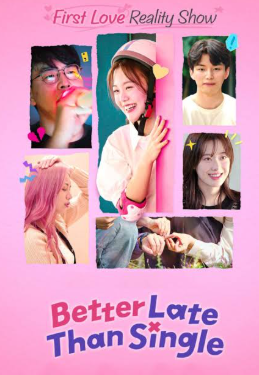
Most dating shows chase drama through good-looking strangers with plenty of experience playing the game. Better Late Than Single does the opposite — and it’s paid off. Netflix’s wholesome Korean reality experiment follows adults who have genuinely never dated before, guiding them through a six-week personal transformation before throwing them into their very first real dating experience. It’s proven popular enough to spawn a second season and a reunion spinoff, becoming one of the platform’s most talked-about Korean unscripted hits of the past year.
Quick Facts
| Category | Details |
|---|---|
| Korean Title | 모태솔로지만 연애는 하고 싶어 (Motae Sollo-jiman Yeonae-neun Hago Sipeo) |
| Genre | Reality TV / Dating Makeover Show |
| Creators | Cho Wook-hyung, Kim Noh-eun, Won Seung-jae |
| Cupid Mentors | Seo In-guk, Kang Han-na, Lee Eun-ji, Car the Garden |
| Country | South Korea |
| Platform | Netflix |
| Season 1 | 10 episodes, July 8–29, 2025 |
| Season 2 | 10 episodes, July 7–28, 2026 |
| Reunion Special | After Service, 6 episodes, premiered August 1, 2026 |
| MyDramaList Rating | 7.5–7.6 (across seasons) |
Overview
Better Late Than Single centers on “eternal singles” — adults who have never been in a romantic relationship — and gives them a genuine shot at their first real connection. The format unfolds in two stages: a six-week personal transformation period covering styling, fitness, communication coaching, and mindset work, followed by nine days living together at a retreat on Jeju Island, where cast members go on dates and complete chemistry-building activities. True to the show’s premise, ages and jobs are initially concealed to avoid preconceptions, similar to Netflix’s Single’s Inferno. Out of thousands of applicants (over 4,000 for Season 1 alone), producers select a small group verified through background checks and interviews with friends and family to confirm their genuinely single history.
Season Breakdown
Season 1 (2025) introduced ten contestants — No Jae-yun, Ha Jeong-mok, Kang Hyun-ku, Kim Ji-su, Kim Seung-li, Lee Seung-chan, Kim Yo-myung, Kim Sang-ho, Park Ji-yeon, and Lee Min-hong — guided by Cupid mentors Seo In-guk, Kang Han-na, Lee Eun-ji, and Car the Garden.
Season 2 (2026) started with eight original participants split evenly between four men and four women, later expanded by four “game changers” who entered partway through to shake up existing dynamics. The season ultimately closed with just two matched couples out of twelve total participants, reflecting the format’s realistic, sometimes messier approach to adult dating compared to more polished reality show formulas.
Better Late Than Single: After Service (August 2026) is a six-episode reunion spinoff bringing together cast from both seasons, giving updates on the final couples, revisiting unresolved love triangles, and featuring blind dates between Season 1 and Season 2 participants — making it the third Netflix Korean reality show to get a reunion spinoff, following Single’s Inferno and Physical: 100.
Where Are the Couples Now?
This is the question every viewer asks after a dating show ends — and Better Late Than Single‘s real-life update is a genuinely honest one. Neither Season 1 couple made it. Ha Jeong-mok and Park Ji-yeon, the season’s most talked-about pair (largely due to Jeong-mok’s messy love triangle with fellow contestant Yi Do), split shortly after the show aired, with Jeong-mok posting a lengthy, remorseful Instagram statement taking “full responsibility” for how he was portrayed. Kang Ji-su and Kim Seung-li, the other final couple, confirmed on a cast reunion YouTube show that they never actually dated once filming wrapped — no drama, it simply didn’t happen.
The real happy ending belongs to someone who left the show single. Noh Jae-yun, a fan favorite who spent 27 years without a relationship and couldn’t find a match on the show itself, revealed about 10 months later that he’d started dating someone he met at a private study academy — proof, fans noted, that the show’s real impact was building contestants’ confidence rather than guaranteeing a televised match.
Season 2’s finale drew a mixed reaction for similar reasons — several viewers called the final two episodes “underwhelming,” with one writing that the show lacked the dramatic payoff typical of the genre, while others praised its realistic, unglamorized approach and pushed for a third season.
Critical Reception
Rotten Tomatoes critics have been mixed but generally positive. But Why Tho? gave Season 1 a 7/10, calling it “entertaining but uneven,” with episodes running unnecessarily long at nearly 90 minutes each and some “convoluted developments.” Common Sense Media took a more thoughtful angle, noting the show doesn’t sensationalize its subjects, instead gently acknowledging “how chaotic and competitive our world has become, and how brave it is to admit you still want love.”
Pros & Cons
Pros
- A genuinely fresh premise in an oversaturated dating show genre, focusing on real emotional vulnerability rather than manufactured love-triangle drama.
- Strong emotional payoff for many viewers — some reviewers describe crying alongside their partners while watching, calling it “perfect for couples.”
- The six-week transformation arc gives real narrative weight to each contestant’s growth, not just their romantic outcomes.
- A rare reality show willing to show contestants walking away single with dignity rather than forcing a manufactured pairing.
- The reunion spinoff format gives long-term closure that most dating shows never bother providing.
Cons
- Some reviewers have accused the show of manufacturing love triangles and story arcs before casting even begins, undermining its “authentic” premise.
- Season 2 drew criticism for uneven gender dynamics, with several reviewers noting the women consistently outshined a less impressive group of men.
- Only two couples formed out of twelve Season 2 participants, which some viewers found like a disappointing return given the season’s larger cast.
- A recurring critique across both seasons: producers appear to shape contestants into “types” (the lead, the comic relief) rather than letting genuine personalities drive the story.
Similar Shows
- Single’s Inferno — Netflix’s other major Korean dating reality hit, sharing a similar identity-concealment format.
- Physical: 100 — the Korean competition show that similarly received a reunion spinoff following its massive success.
- Too Hot to Handle — for a Western dating show built around personal growth and self-restraint themes.
- Love on the Spectrum — for another reality show centered on people navigating dating with limited or no prior romantic experience.
- The Ultimatum: Marry or Move On — for more of the “high-stakes personal reckoning” style of dating reality TV.
Final Verdict
Better Late Than Single succeeds by leaning into real vulnerability rather than manufactured spectacle, offering genuinely moving moments for viewers willing to sit with its slower, more sincere pacing. It’s not without its reality-TV artifice — accusations of manufactured story arcs are a fair critique — but the format’s willingness to let contestants walk away single, and its two-season track record leading to a reunion spinoff, speak to real audience investment.
Rating: 7.5/10 — A wholesome, emotionally sincere dating show that occasionally shows its editing-room seams, but delivers real heart more often than not.
FAQs
When did Better Late Than Single premiere? Season 1 aired July 8–29, 2025. Season 2 aired July 7–28, 2026, followed by the reunion special After Service on August 1, 2026.
What is the show’s format? Contestants who have never dated undergo a six-week personal transformation period, then live together for nine days at a retreat, going on dates and completing activities designed to build genuine chemistry.
Who are the Cupid mentors? Seo In-guk, Kang Han-na, Lee Eun-ji, and Car the Garden guide contestants through their transformation and dating journey.
How many couples formed in Season 2? Two couples were matched by the finale, out of twelve total participants across the original cast and later-arriving “game changers.”
What is Better Late Than Single: After Service? A six-episode reunion spinoff premiering August 1, 2026, bringing together cast from both seasons for updates on final couples, unresolved love triangles, and new blind dates between seasons.
Is Better Late Than Single scripted? It’s presented as unscripted reality TV, though some viewers and reviewers have questioned how much of its dramatic structure is shaped in the editing room versus organic.
Where can I watch it? Exclusively on Netflix, with subtitles available in multiple languages including English.
Are any of the Better Late Than Single couples still together? No. Neither Season 1 couple lasted — Jeong-mok and Ji-yeon broke up shortly after the show aired, and Ji-su and Seung-li never actually dated once filming ended. Fan favorite Noh Jae-yun, who left the show single, found a real relationship about 10 months later.
Reception is generally positive, particularly for viewers who enjoy genuine emotional stakes over manufactured drama, though some reviewers have criticized its reality-TV authenticity and uneven cast dynamics, especially in Season 2.